Hardware
Elon Musk Announces Terafab, a $25 Billion Chip Factory in Austin
March 23, 2026
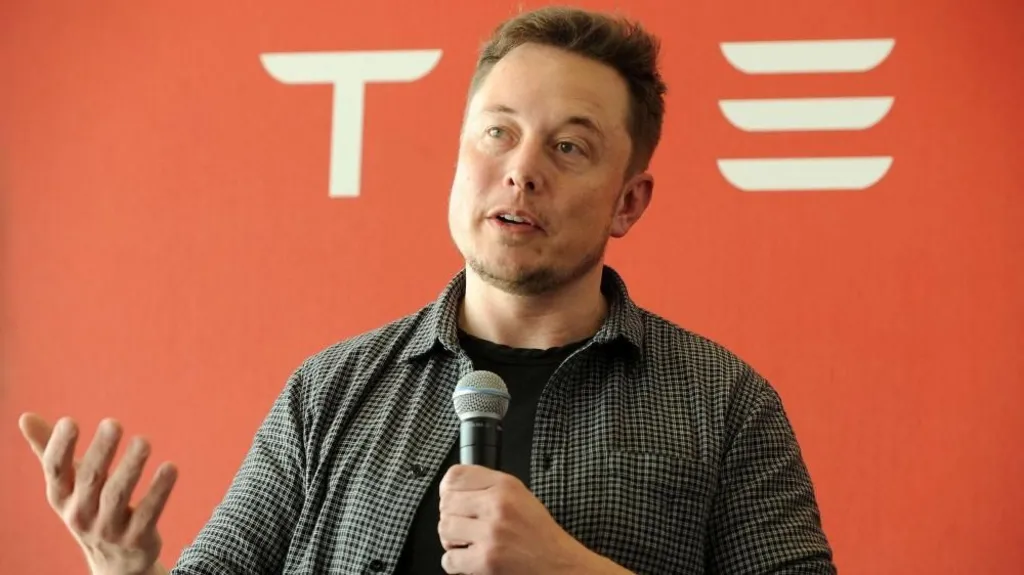
Read Original: FortuneOn March 21, Elon Musk took the stage in Austin to launch Terafab, a joint $25 billion chip fabrication facility between Tesla, SpaceX, and xAI. The facility will be built near Tesla's existing Gigafactory in Austin, targeting chips for AI, humanoid robots, autonomous vehicles, and space-based computing.
Terafab is designed to consolidate every stage of semiconductor production under one roof: chip design, lithography, fabrication, memory production, advanced packaging, and testing. The project targets 2-nanometer process technology and aims to produce one terawatt of computing power each year. Musk said his current suppliers, including TSMC, Samsung, and Micron, are not expanding fast enough for his companies' needs. "We either build the Terafab or we don't have the chips, and we need the chips, so we build the Terafab," he said.
Terafab will produce two chip families: a terrestrial inference chip for Tesla's Full Self-Driving system, robotaxi programme, and Optimus robots, and the D3, a high-power processor built for space environments. Musk's stated allocation is 80% of output for space and 20% for ground applications.
This matters for anyone building on AI infrastructure. Chip supply is the bottleneck that determines how fast AI products get built and at what cost. If Terafab succeeds, it shifts who controls that supply. Analysts note that Musk has no background in semiconductor manufacturing and a history of overpromising on timelines, so the project's ambition should be weighed against that track record.
For businesses in Nigeria and across Africa relying on AI tools and cloud services, global chip supply directly shapes what infrastructure costs. A shift in who produces chips at scale, even years out, will affect pricing and availability.
Understanding the hardware layer beneath AI helps you make better decisions about building on it.
Source:Fortune